Value does not always come from more square footage or more expensive finishes. It often comes from better decisions.
The short answer
The strongest budget-conscious design choices improve light, proportion, storage, structure, and everyday function. Thoughtful window placement, engineered open spaces, built-ins, and simple exterior composition can make a home feel more valuable without chasing luxury products.
1 • Place windows intentionally
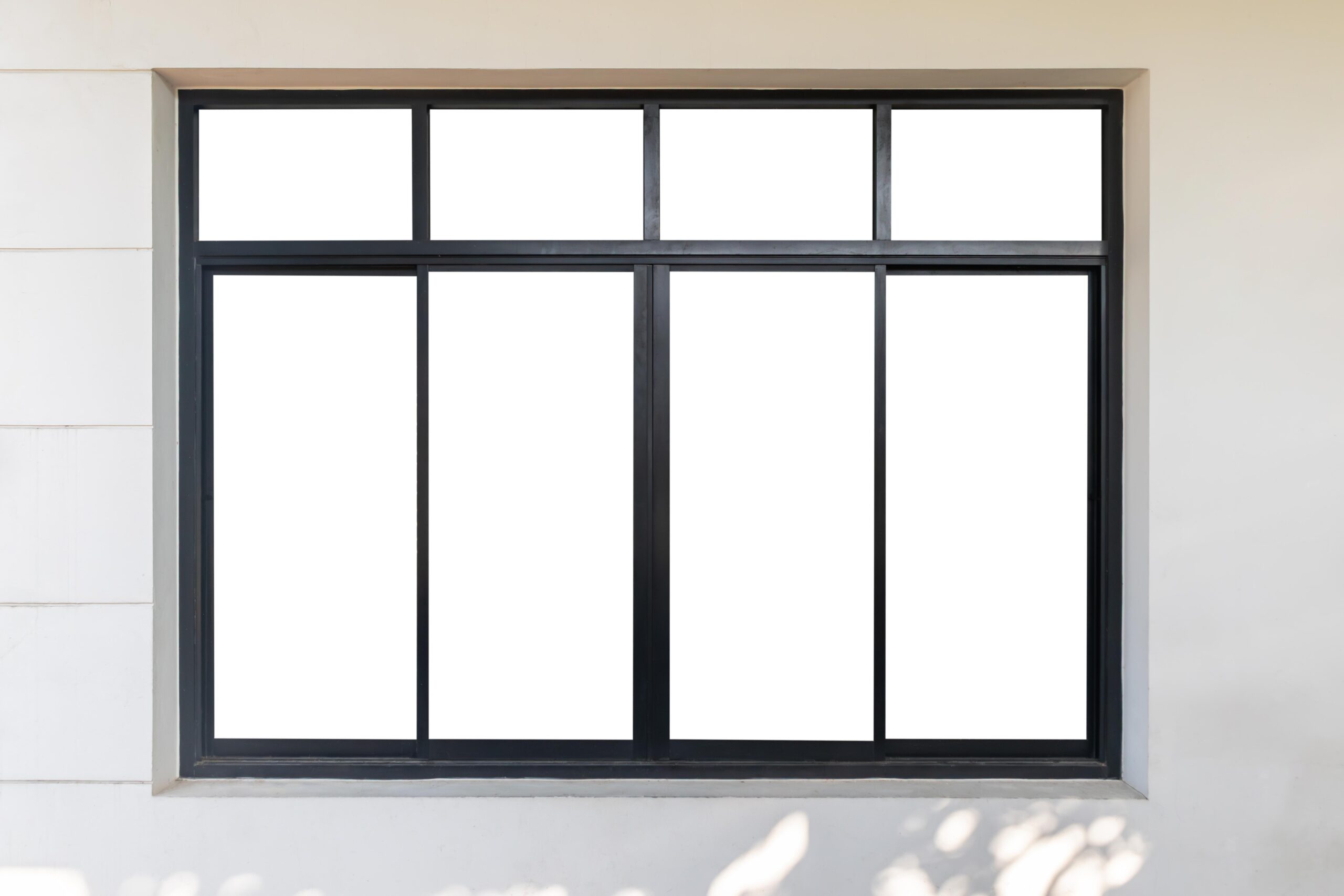
A focal window, aligned head heights, and thoughtful proportions can improve a room more than simply adding more openings.
2 • Engineer open spaces
Removing a wall requires verified load paths, properly sized beams, point-load support, and coordinated HVAC or utilities.
3 • Build storage into the plan
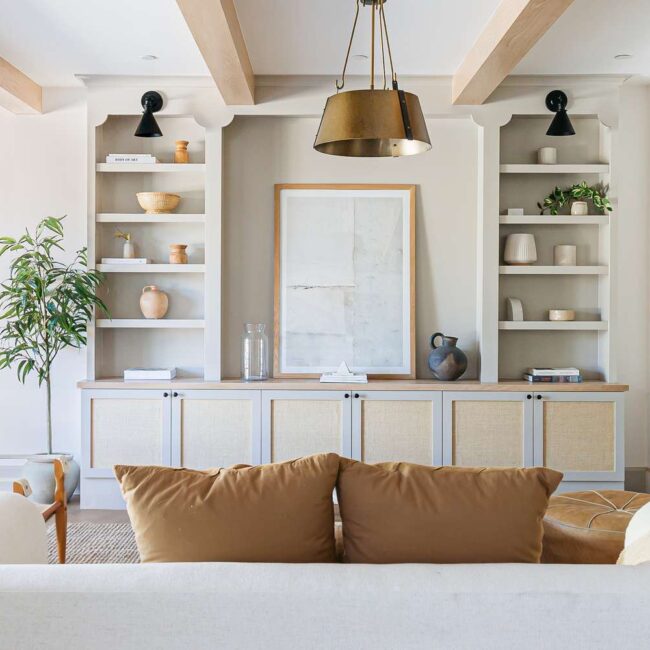
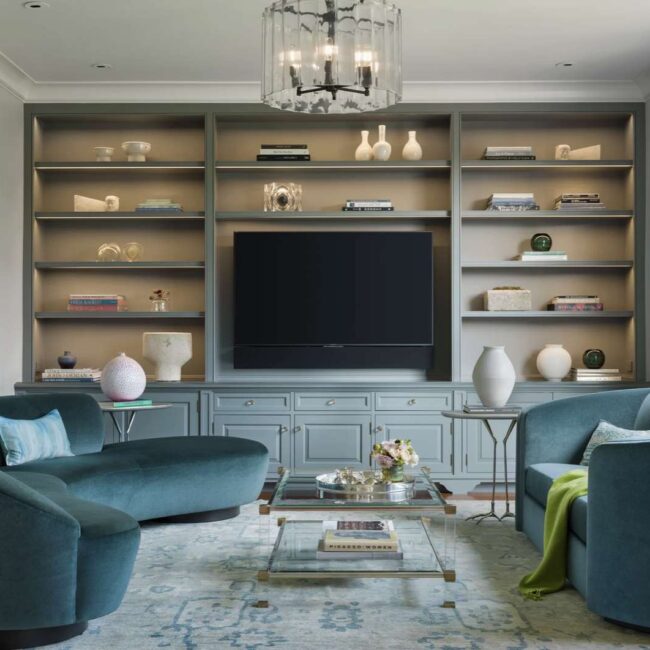
Mudroom cubbies, window benches, shelving, and pantry walls add function without adding conditioned square footage.
4 • Simplify the exterior
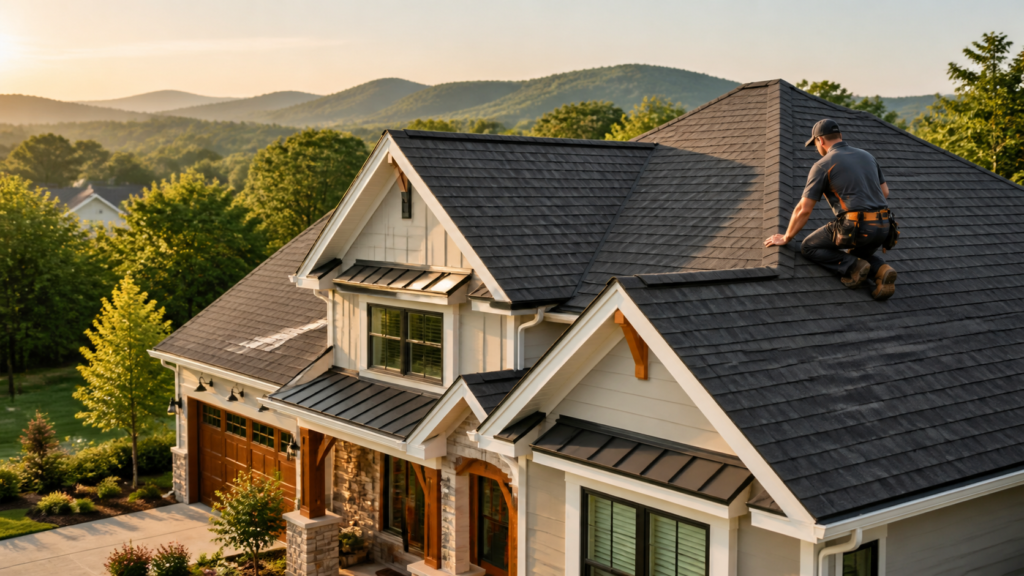
Consistent roof pitches, fewer material transitions, a clear entry, and good overhangs create disciplined curb appeal.
The Knoxville & East Tennessee lens
In East Tennessee, design should also respond to sun, views, rain exposure, roof drainage, and the way families actually use porches, mudrooms, kitchens, and outdoor connections.
What the work should include
- Prioritize daily function before finishes.
- Spend where structure and layout are hard to change later.
- Coordinate windows with framing, furniture, and exterior composition.
- Use storage to reduce visual clutter.
- Keep rooflines and materials purposeful.
Built Right perspective
Good construction is not a collection of impressive labels or visible finishes. It is a chain of sound decisions, clear documentation, experienced supervision, and accountability for the finished work.
Homeowner questions
What design choices add value on a limited budget?
Better natural light, storage, durable layouts, disciplined exterior composition, and sound structural planning often outperform trendy upgrades.
Can I remove a load-bearing wall for an open plan?
Often yes, but the replacement beam, posts, point loads, foundation support, utilities, and permits must be addressed.
Continue your research
Roofing services · Roofing projects · Remodeling & special projects · About Built Right · Request an estimate
Have a project in the Knoxville area?
Talk directly with Built Right Homes about the condition, scope, and next responsible step.
Request an estimateCall 865-283-4164