An LVL is an engineered wood beam designed to carry substantial loads across openings with predictable strength and limited movement.
The short answer
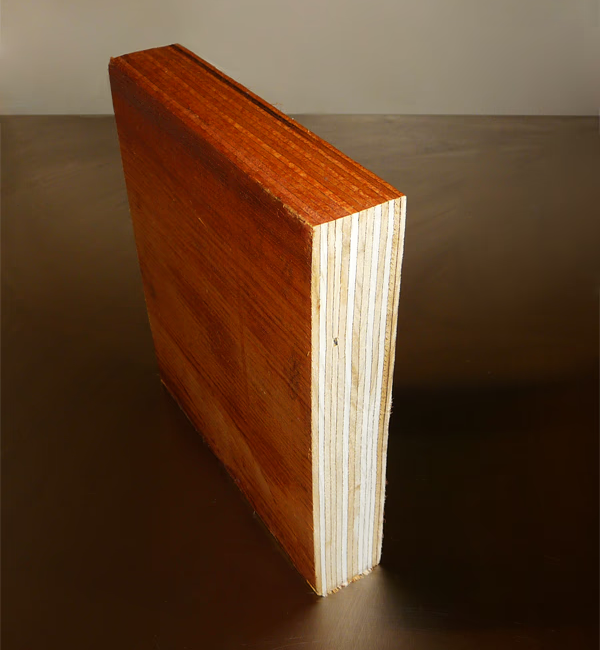
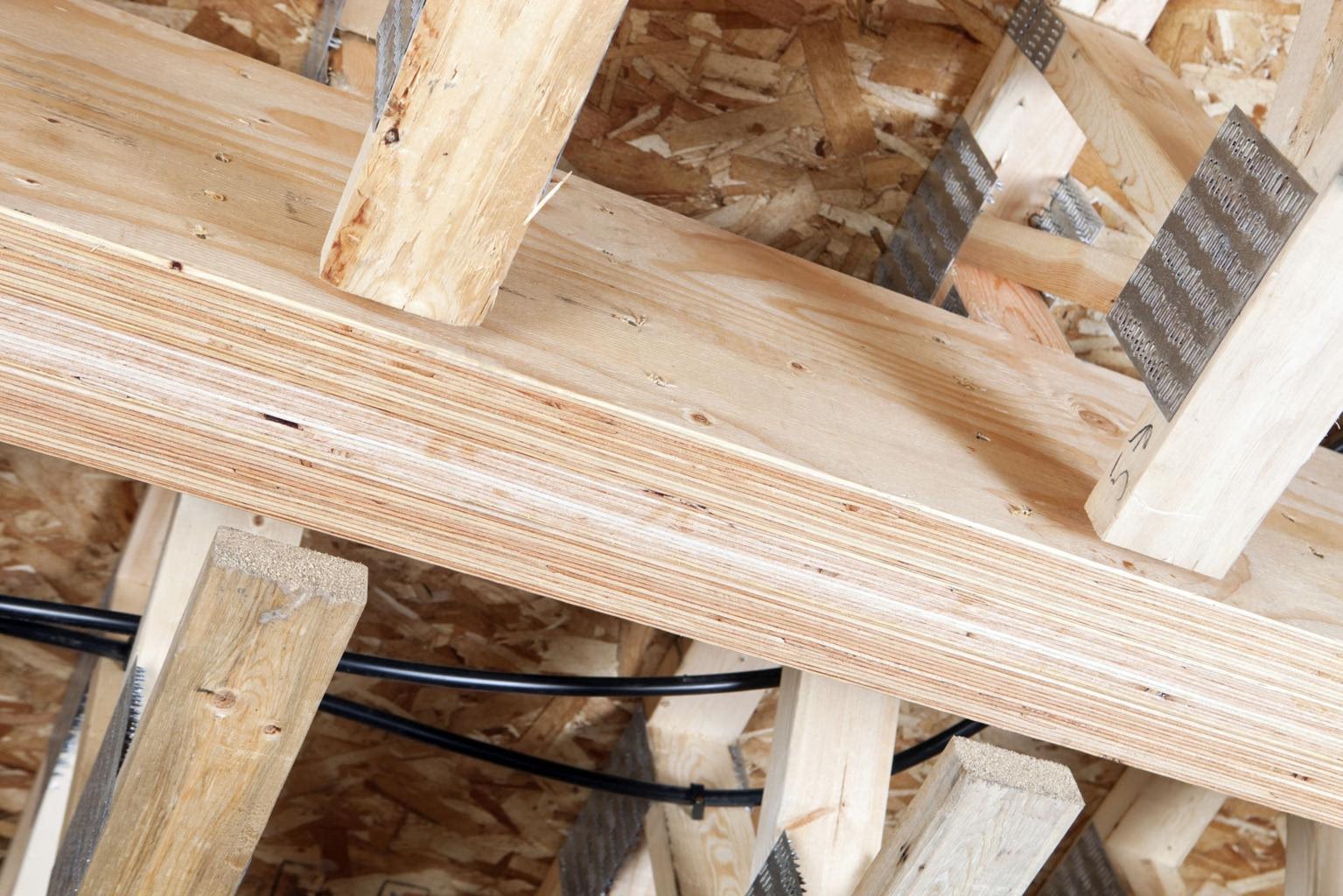
LVL stands for laminated veneer lumber. Thin wood veneers are bonded with their grain oriented in the same direction, producing a strong, straight, consistent structural member commonly used for headers, open floor plans, roof loads, and load-bearing-wall replacements.
How it is made
Layers of wood veneer are bonded under pressure with the grain aligned for structural performance.
Where it is used
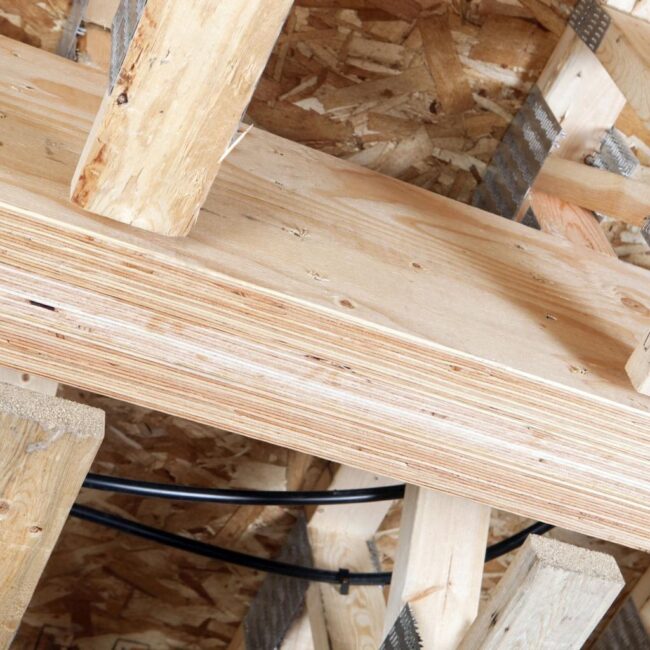
Large windows, garage doors, open rooms, roof support, floor openings, and replacements for bearing walls.
Why not ordinary lumber
Wider spans increase bending and deflection. Engineered members provide more predictable capacity and straightness.
Installation still matters
The beam must be sized for the actual loads, supported with adequate bearing, connected correctly, and protected from moisture.
The Knoxville & East Tennessee lens
Knoxville remodels frequently involve opening kitchens and living areas or enlarging exterior openings. The beam is only part of the solution: posts, point loads, foundations, utilities, and permits must also be coordinated.
What the work should include
- Identify whether the wall or opening carries load.
- Have the member and supports sized for the actual span and loads.
- Trace concentrated loads to adequate support below.
- Plan temporary support and the installation sequence.
- Complete required permits and inspections before finishes conceal the work.
Built Right perspective
Good construction is not a collection of impressive labels or visible finishes. It is a chain of sound decisions, clear documentation, experienced supervision, and accountability for the finished work.
Homeowner questions
Can any contractor choose an LVL size from experience?
Beam size depends on span, loads, supports, and building conditions. Structural requirements should be properly determined for the specific project.
Is an LVL always better than solid lumber?
It is often a better fit for demanding structural spans, but the correct material depends on engineering, exposure, geometry, and installation requirements.
Continue your research
Roofing services · Roofing projects · Remodeling & special projects · About Built Right · Request an estimate
Have a project in the Knoxville area?
Talk directly with Built Right Homes about the condition, scope, and next responsible step.
Request an estimateCall 865-283-4164