
Most foundation problems do not begin with concrete. They begin with what the concrete is bearing on.
The short answer
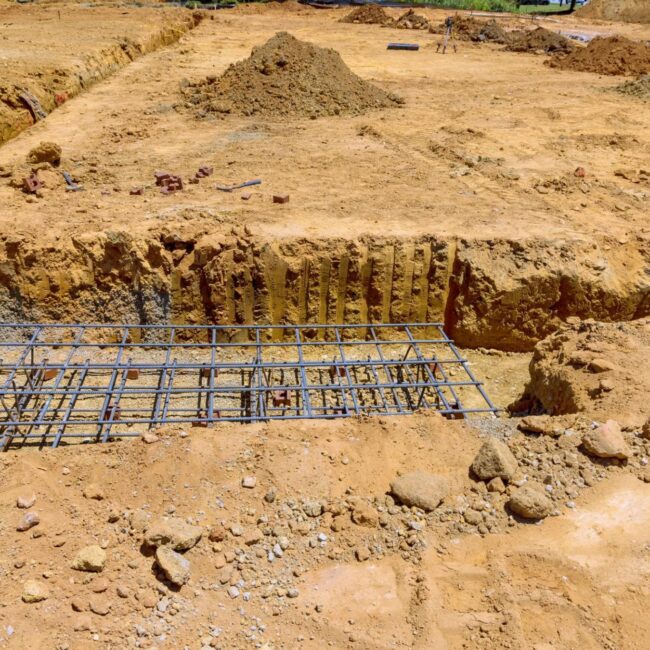
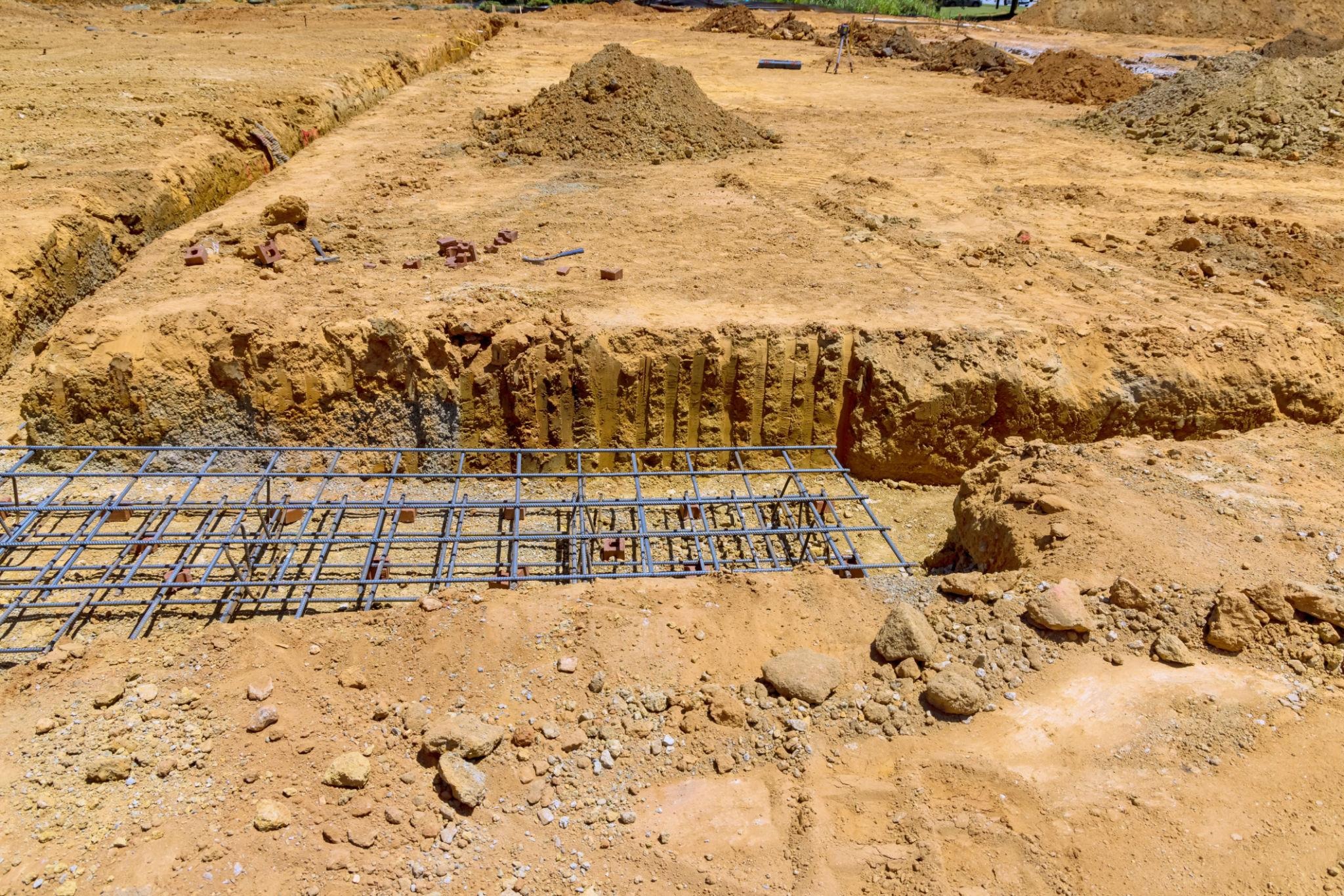
Footings need firm, suitable bearing material. Loose fill, organic matter, debris, mud, or poorly compacted soil can settle and allow the structure above to move. Preparation and inspection happen before the concrete hides the work.
What “undisturbed” means
Native soil that has not recently been excavated, loosened, or replaced with unverified fill.
Why bearing matters
Concrete performs in compression, but it cannot compensate for unstable material underneath.
The proper sequence
Excavate to suitable bearing, remove loose material, verify the surface, place reinforcement, inspect, then pour.
When fill is necessary
Engineered or approved fill must be placed and compacted correctly in lifts—not dumped into a trench and covered.
The Knoxville & East Tennessee lens
East Tennessee sites can include clay, slopes, moisture, rock, and disturbed areas from previous grading. Site-specific soil and structural requirements should guide the footing—not a one-size-fits-all assumption.
What the work should include
- Confirm excavation reaches suitable bearing conditions.
- Keep trench bottoms free of loose soil, debris, and standing water.
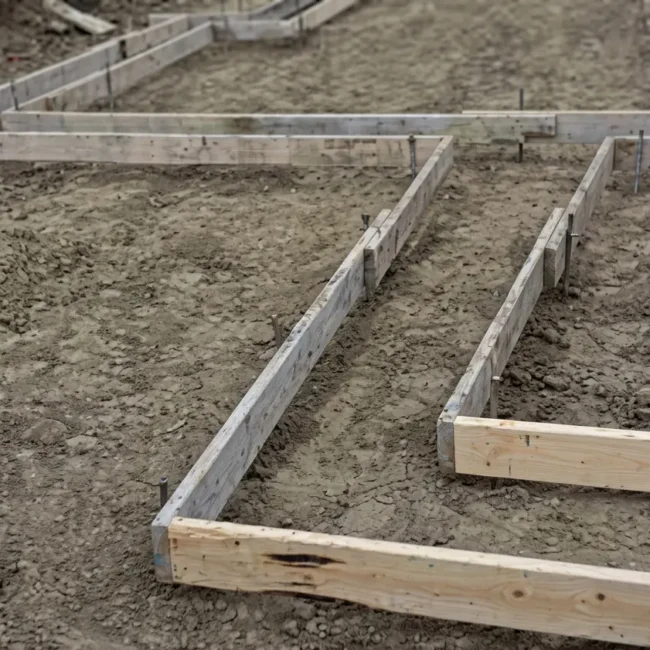
- Install reinforcement and dimensions according to the approved plan.
- Complete required inspection before concrete placement.
- Document unexpected soil conditions and involve the appropriate professional when needed.
Built Right perspective
Good construction is not a collection of impressive labels or visible finishes. It is a chain of sound decisions, clear documentation, experienced supervision, and accountability for the finished work.
Homeowner questions
What happens if a footing is poured on loose fill?
The fill can consolidate or move, contributing to cracks, uneven floors, sticking openings, and structural stress.
Is all native soil automatically suitable?
No. Conditions vary, and unsuitable, wet, organic, or weak material may require additional evaluation or correction.
Continue your research
Roofing services · Roofing projects · Remodeling & special projects · About Built Right · Request an estimate
Have a project in the Knoxville area?
Talk directly with Built Right Homes about the condition, scope, and next responsible step.
Request an estimateCall 865-283-4164