Most roofing failures are not simply shingle failures. They begin when one of the layers underneath is skipped, weakened, or installed incorrectly.
The short answer
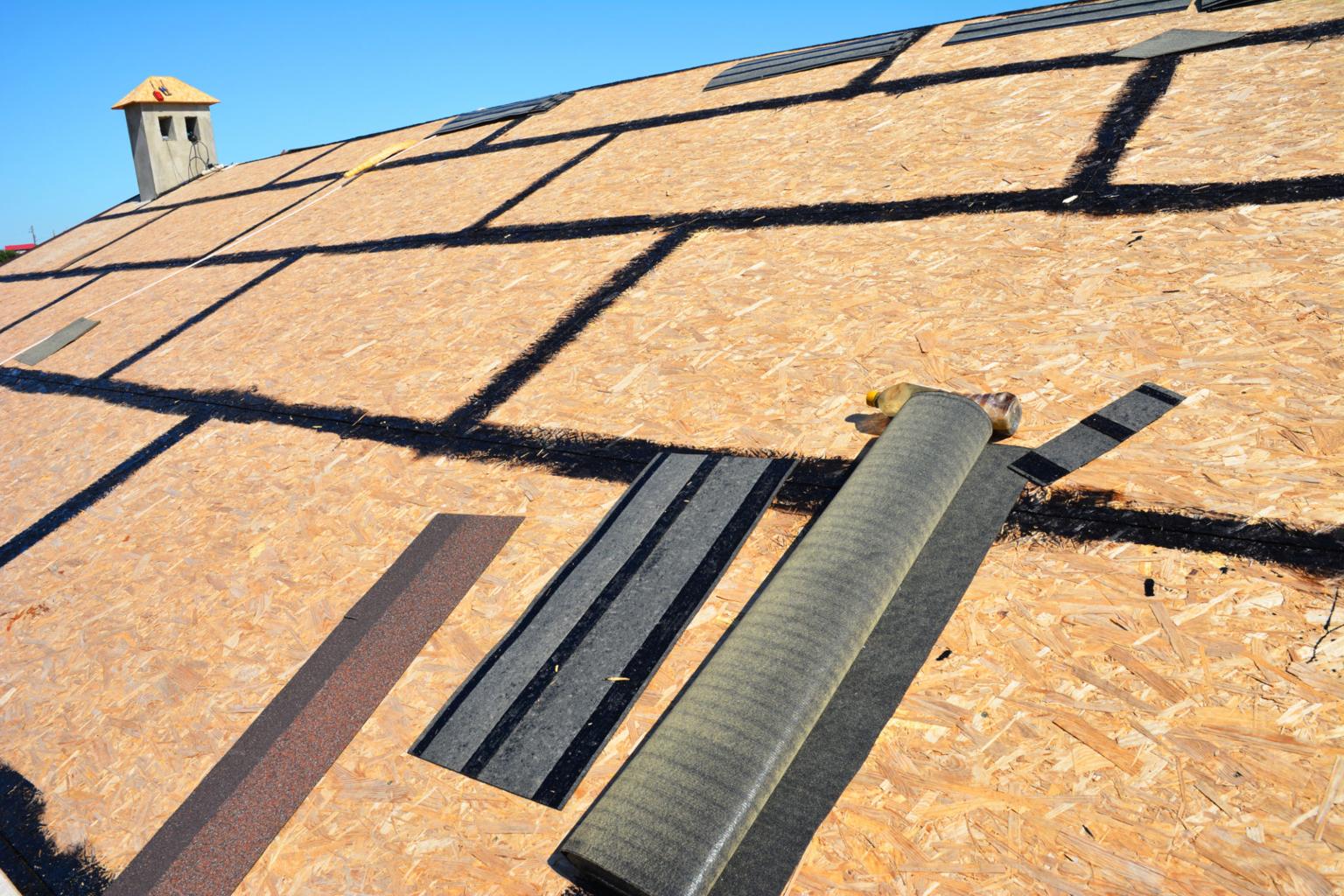
A durable roof is a coordinated system: sound decking, a secondary water barrier, targeted self-adhered membrane, correct flashing, ventilation, starter, shingles, and ridge components. Each layer has a job, and shortcuts compound.
1 • Solid decking
Plywood or OSB must be sound, properly fastened, and ready to hold nails. Soft or moving decking undermines everything above.
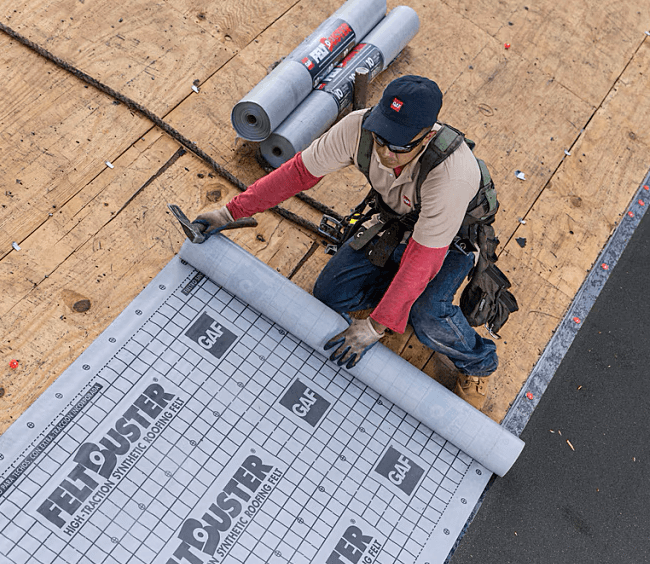
2 • Synthetic underlayment
A strong, water-shedding secondary barrier resists tearing and jobsite exposure better than traditional felt.
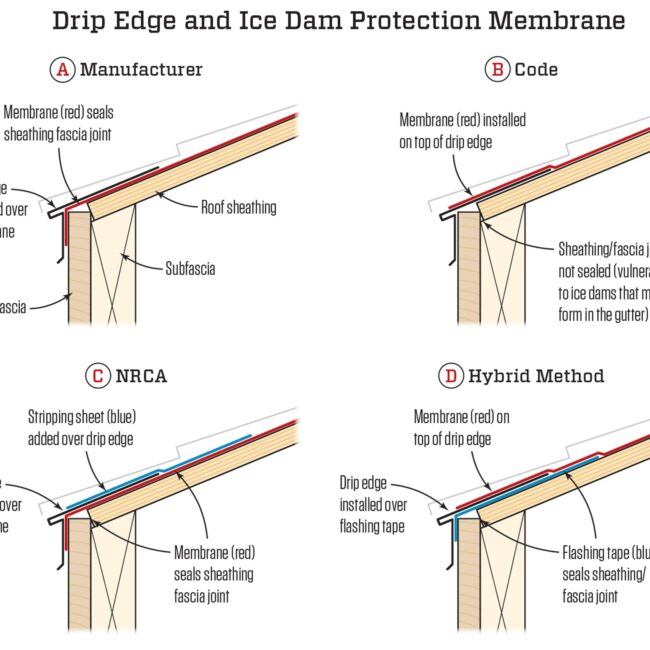
3 • Leak-zone protection
Self-adhered membrane belongs at vulnerable eaves, valleys, penetrations, and roof-to-wall transitions.
4 • Disciplined finish
Starter, nail placement, ridge ventilation, caps, and flashing details matter as much as the shingle label.
The Knoxville & East Tennessee lens
Knoxville’s rain, humidity, summer heat, wind events, and mixed rooflines put pressure on valleys, chimneys, sidewalls, and attic ventilation. We design those details for the house in front of us.
What the work should include
- Inspect and replace compromised decking.
- Plan intake and exhaust ventilation as one system.
- Protect vulnerable transitions before shingles cover them.
- Install starter, field shingles, flashing, and caps to specification.
- Document the work and stand behind workmanship.
Built Right perspective
Good construction is not a collection of impressive labels or visible finishes. It is a chain of sound decisions, clear documentation, experienced supervision, and accountability for the finished work.
Homeowner questions
What is the most important part of a new roof?
There is no single part. Performance comes from the complete system and the quality of its installation.
Can new shingles go over rotten decking?
No responsible installation should hide unsound decking. Nails need a solid substrate, and trapped damage will continue.
Continue your research
Roofing services · Roofing projects · Remodeling & special projects · About Built Right · Request an estimate
Have a project in the Knoxville area?
Talk directly with Built Right Homes about the condition, scope, and next responsible step.
Request an estimateCall 865-283-4164